

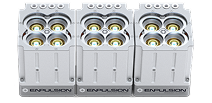

One System Instead of Several Parts
Combining blocks into a mission's mobility system takes more than setting parameters. It takes the harness and piping between the modules, and either mounting the blocks on a common panel or specific mounting instructions for your spacecraft. We do this work ourselves, because a customer who receives an integrated system carries less risk than one who has to join the blocks alone.
We qualify the blocks; for each new configuration we verify only what it adds. The first system is verified at protoflight levels for leak tightness, shock and vibration, and repeats at acceptance levels. First up: Hall-effect propulsion with Orbion, planned from mid-2027; FEEP clusters (Nexus) follow from Q2 2028, and attitude control and navigation blocks are in development.

Configured System What every configured system includes |
|
|---|---|
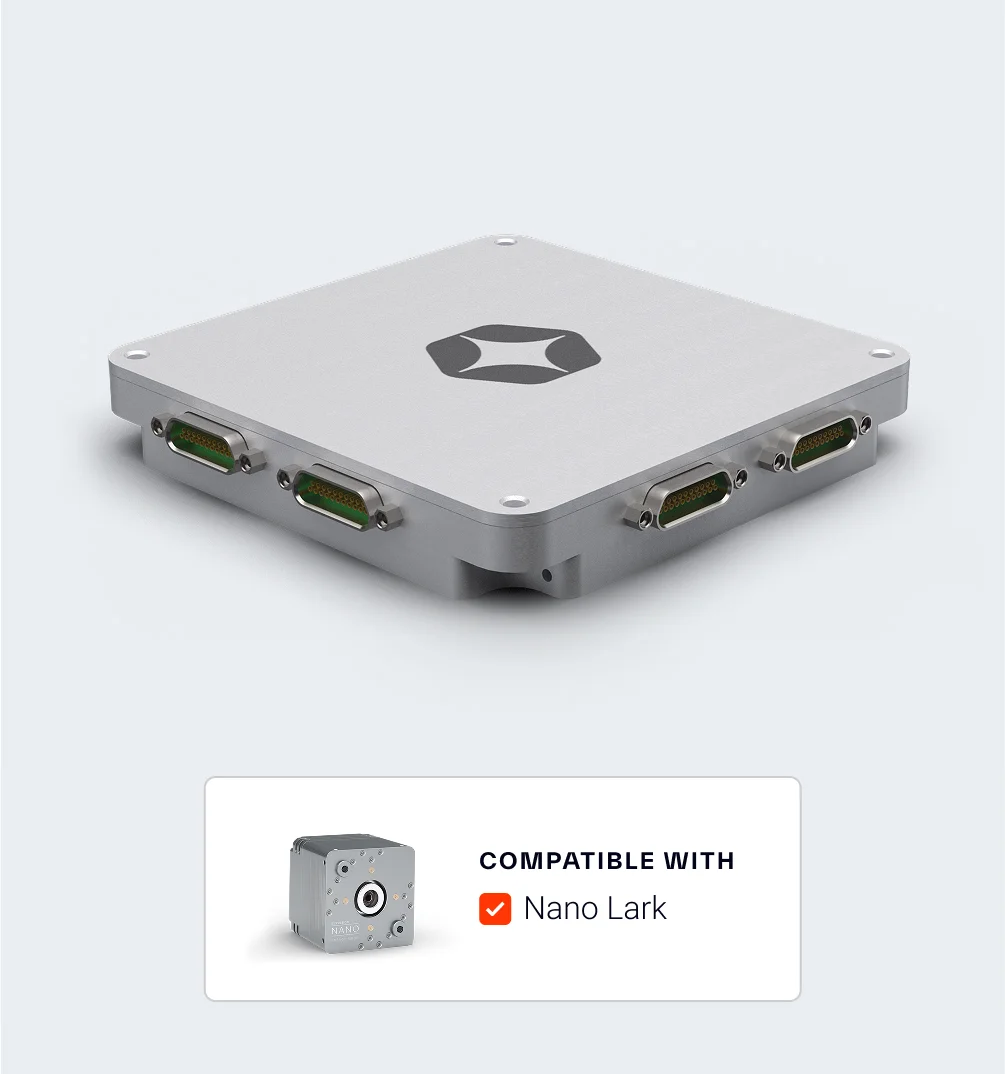
| Input Bus Voltage Range | 12V to 30V |
| Est. Max Power Consumption | 240W (including thrusters) |
| Input Interface | RS422 / RS485 / CAN 2.0 |
| Outside Dimensions | Max 10 x 10 x 5 cm (1) |
| Mass | < 500 g |
| Output Configuration | Max X4 Nano R³ Propulsion Systems |
| Max Interface Speed | CAN 1Mbps RS485/RS422 20Mbps |

Talk to an Expert
Talk to an expert to see how a configured system can elevate your next mission.

György Biró
Global Director of Strategic Business Development and Sales
Features
Configure. Integrate. Operate.
Configure

From Catalog Blocks
We select blocks from our catalog and set each within its published range to meet your mission’s needs. No new design, so timelines stay short and risk stays low.
Integrate

Joined by Us
We design and build the harness, piping and mounting, and verify the system before it ships. Integration is always done in-house in Vienna.
Operate

One Interface
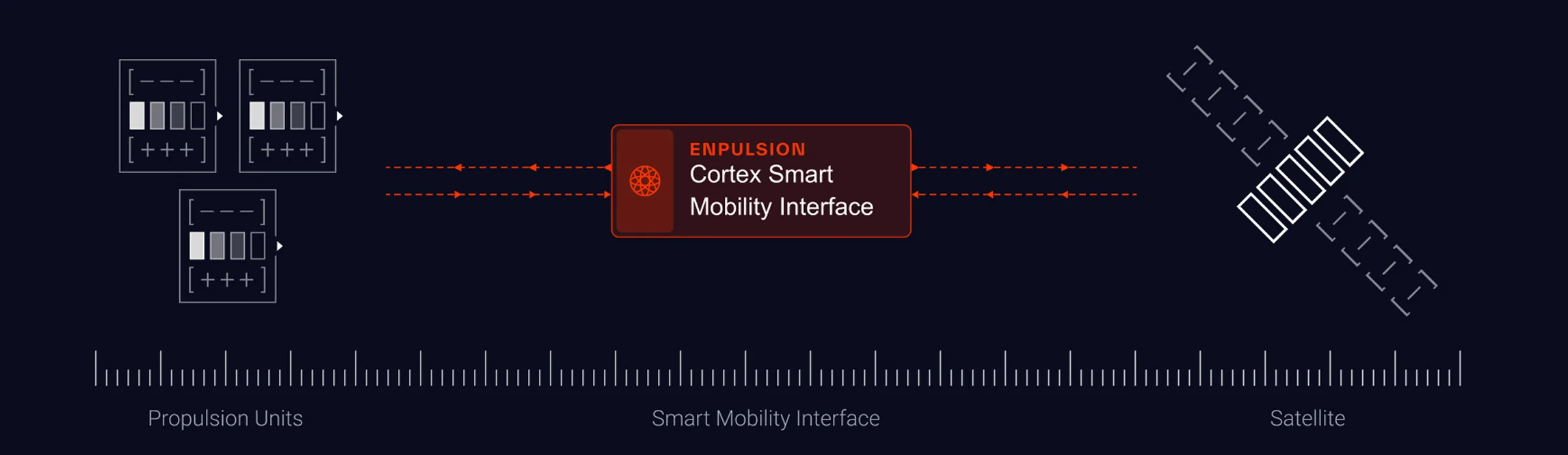
Each configured system presents one interface to your spacecraft. Our Cortex Smart Mobility Interface, in development for Q2 2028, will command all blocks through one interface and keep each block within its qualified envelope.
Explore the propulsion lineup.
Nexus
Nexus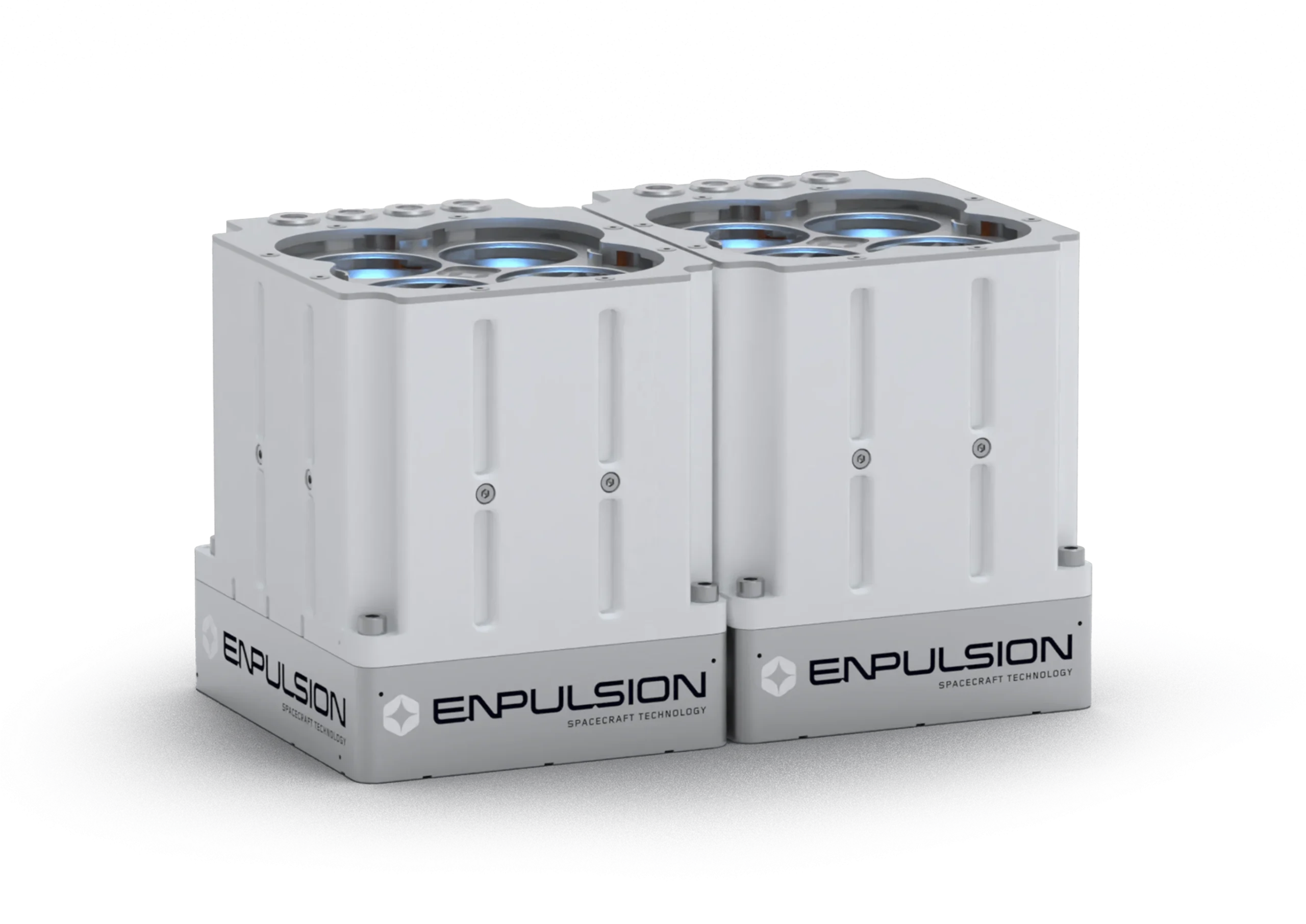
Micro R³
Micro
Nano R³
Nano
