
Solutions for 150–500 kg
Today, 2027 and 2028
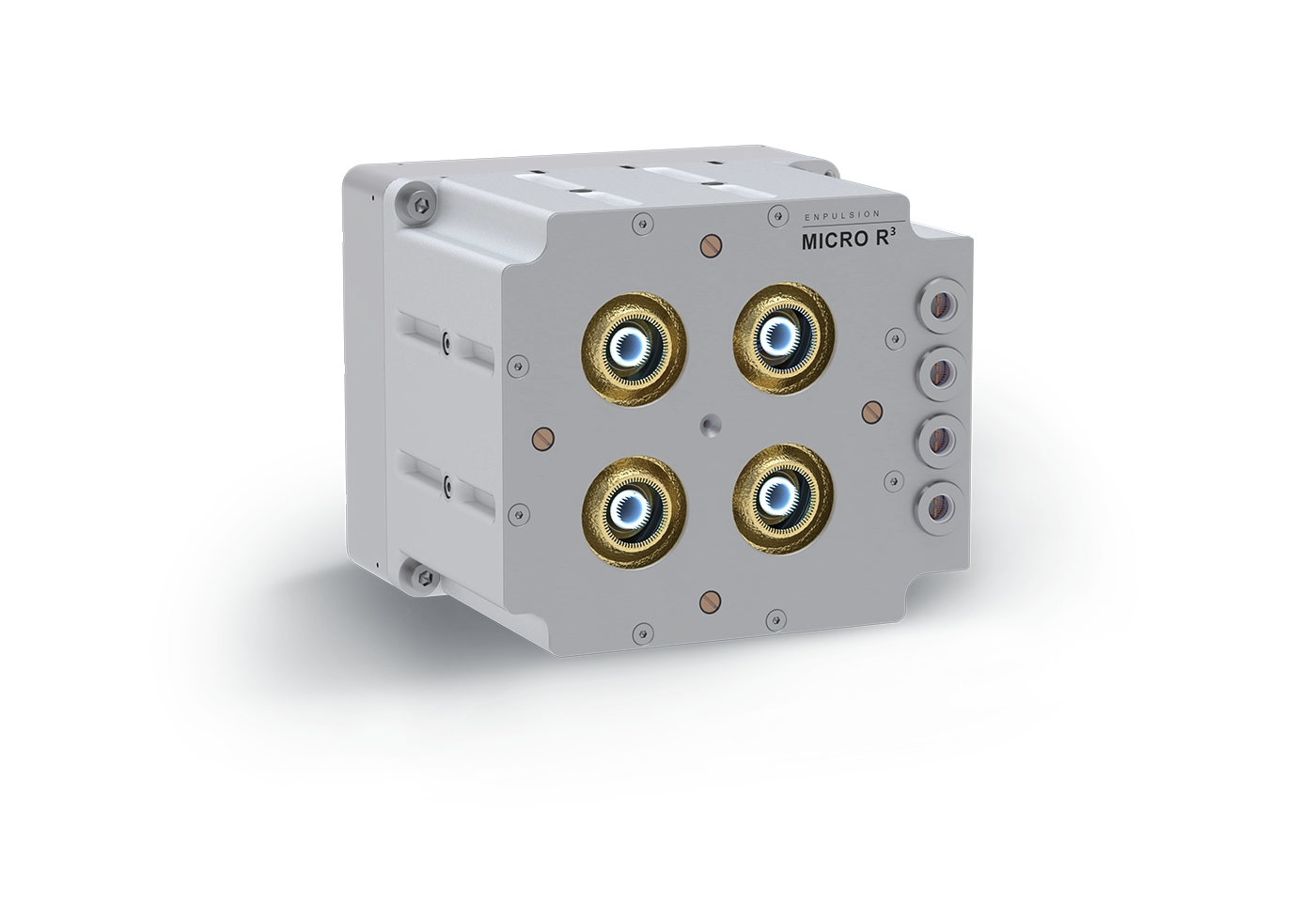
Today we serve 150–500 kg missions with several MICRO R³ mounted as independent units. Hall-effect propulsion with Orbion follows from mid-2027, and MICRO R⁴, clustered as Nexus, from 2028.

Available Today
Several MICRO R³ per spacecraft, each commanded independently, where the mission fits. Built on 280+ systems in space.

From Mid-2027
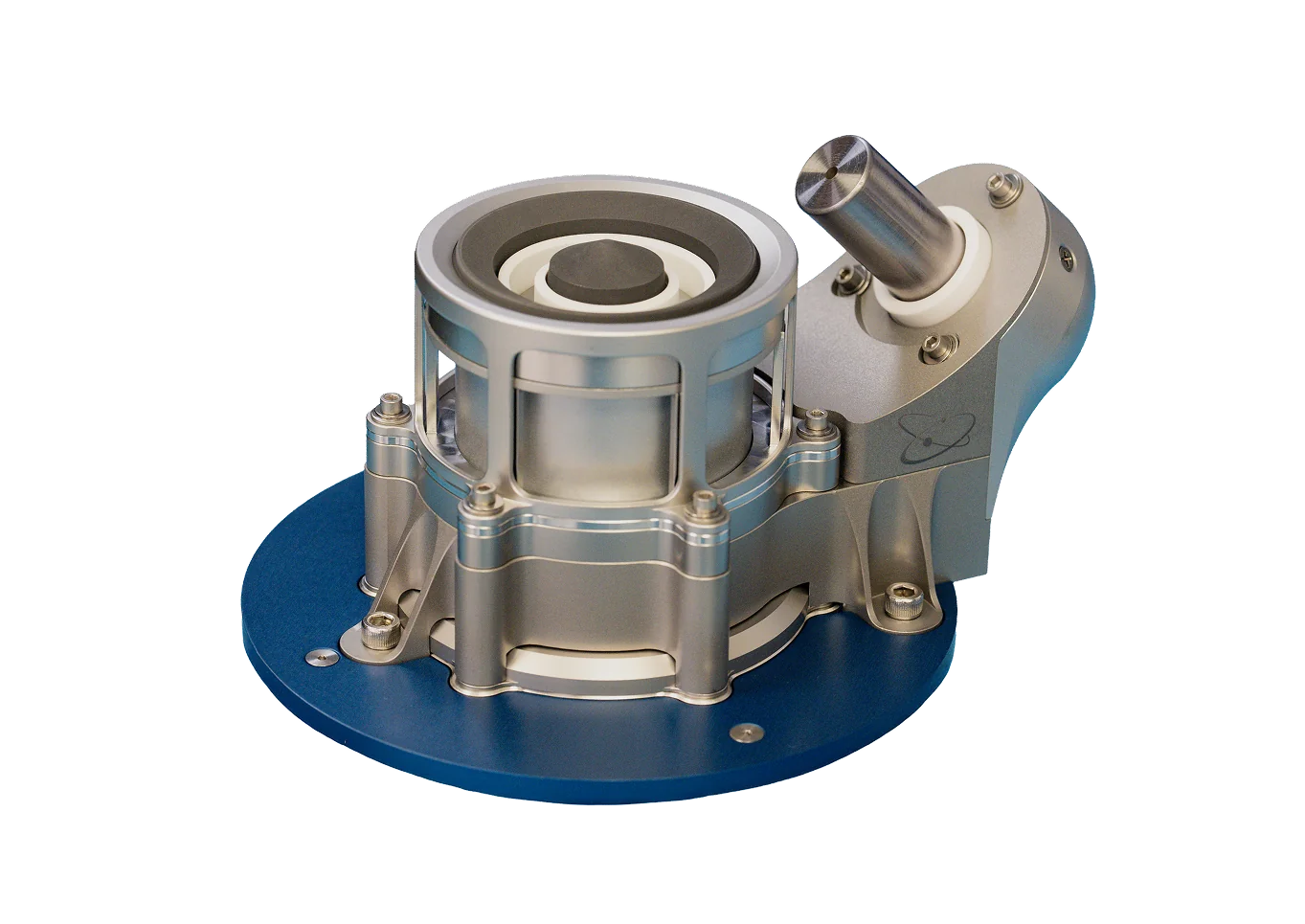
Hall-effect propulsion with Orbion for higher-power needs, integrated by us into one system.

From 2028
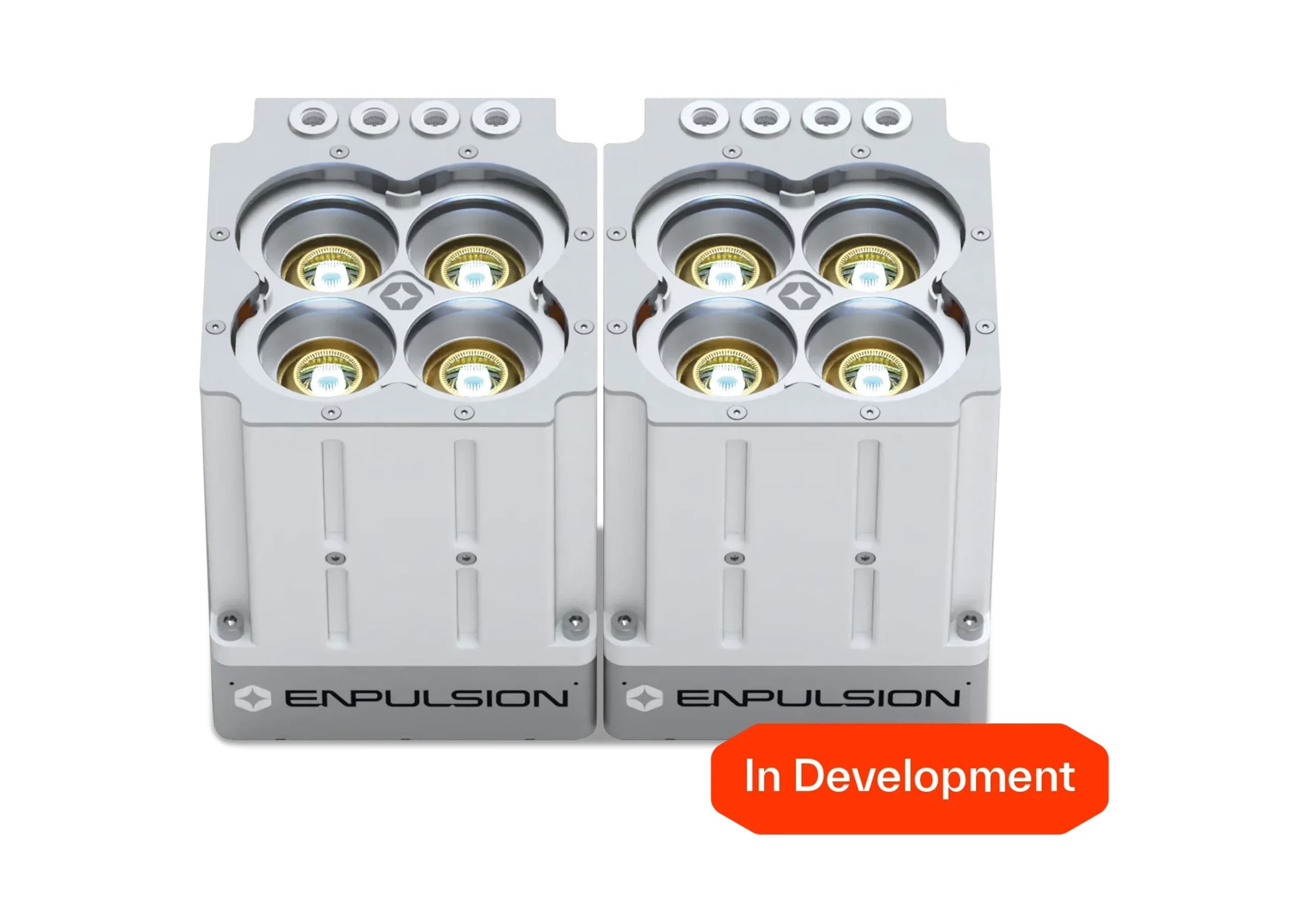
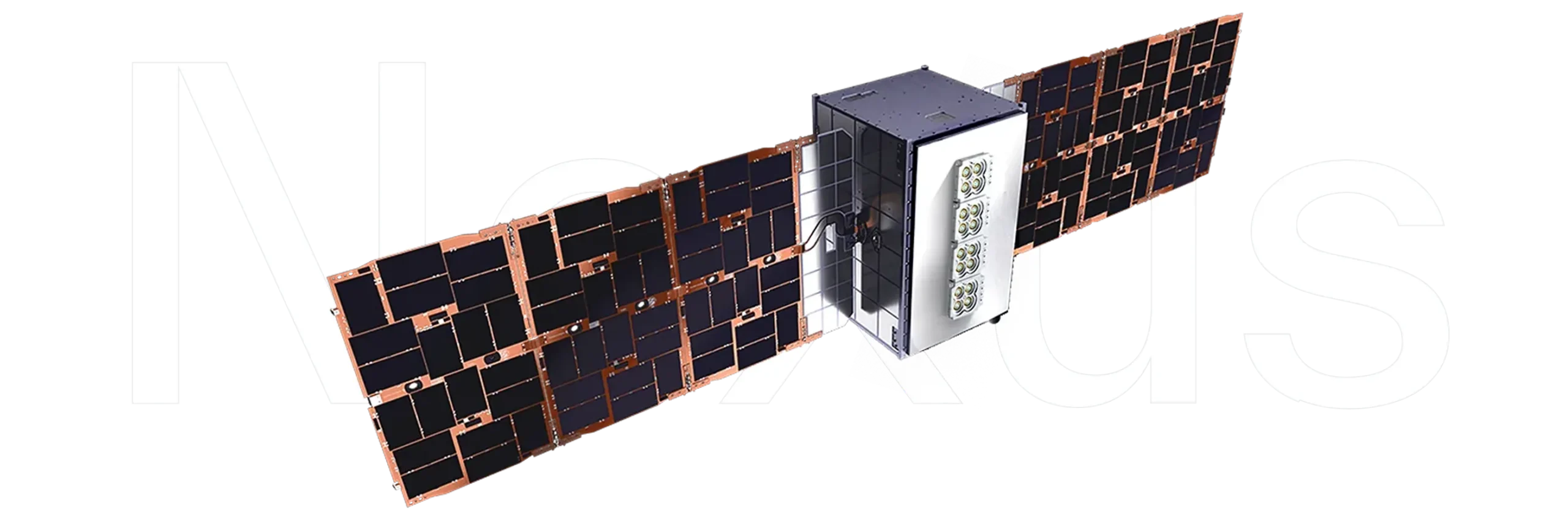
MICRO R⁴, clustered as Nexus: up to four units as one system, with up to 120,000 Ns total impulse (development targets).





Features
Enpulsion Powers Larger Missions With Safety & Precision
Mature Technology

Heritage Foundation
Built on 280+ Enpulsion propulsion systems in space, our blocks leverage years of production insight across diverse mission profiles.
Streamlined Integration

Plug-and-Play Design
One integrated system, whichever technology you choose: we join the blocks with harness, piping and mounting, and verify the system before delivery.
Agility

Faster Manoeuvres
Fast orbit transfer and evasive manoeuvres call for higher thrust; Hall-effect propulsion with Orbion adds higher-power options from mid-2027.
Debris Safety

Inherent Operational Safety
With no pressurized tanks or stored chemical energy, the system eliminates explosive risk during active operation or in-orbit collisions, enhancing overall spacecraft safety.
Indium Propellant

Stable, Safe Fuel Source
Indium is a nontoxic, unpressurized metal sourced as a by-product of zinc refining. More than 1,000 tons are produced annually, offering a stable, accessible, and safe propellant option.
Indium Powered Propulsion
Powered by Enpulsion’s innovative FEEP technology, our FEEP blocks deliver precise, adjustable thrust by using a powerful electromagnetic field to ionize and accelerate liquified metal propellant.
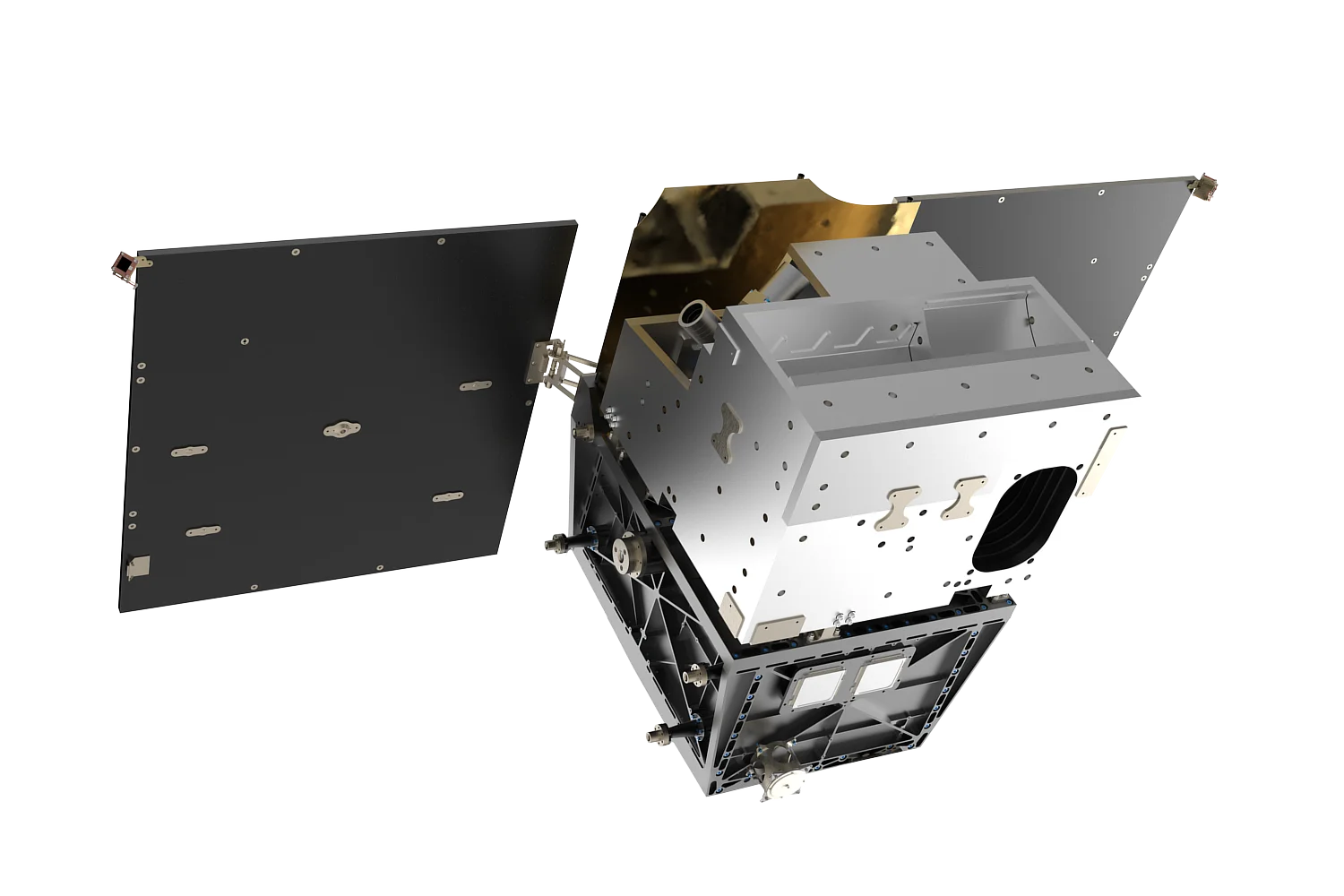
Next-Level Maneuverability
Indium propellant liquifies in orbit to generate finely tunable thrust, delivering efficient, precise maneuverability throughout the entire life of the mission.